Where online keno stands in Australia — and what the ACMA’s enforcement record shows
 Available in US
Keno online for Australians is a phrase that promises a working shortlist and delivers nothing of the sort. The Interactive Gambling Act 2001 prohibits offering online casino games — keno included — to anyone physically in Australia, and no state or territory issues a licence for it. A page that hands over a “best of” ranking in those circumstances is not telling the reader what is true; it is selling them the illusion of a market that does not exist for them. This page instead maps the gap: the law, the regulator’s enforcement record, what is legal in licensed pubs and clubs and land-based casinos, and the offshore brands the ACMA has acted against.
Data current as of 24 September 2026, verified against the ACMA register of formal warnings and blocking actions.
Table of Contents
- The brands the ACMA has acted against
- What the law actually says
- How fast the ACMA blocks
- What a reader looking for online keno is actually after
- The mechanics of keno
- Crypto, anonymity and offshore keno
- Responsible gambling around online keno
- How to read the ACMA’s record
- What an Australian reader should actually do
- Frequently asked questions
The brands the ACMA has acted against
Eleven brands sit behind the ACMA’s formal warning record for offering prohibited online casino games to people in Australia. None is licensed for the product it is selling to Australian customers. The table below names them in the order research fixed, with the regulator’s action and the date it was published. A brand’s absence of an ACMA action is not a licence: the IGA prohibits the offering regardless.

| Brand | ACMA action and date | Operator named by the ACMA | Subject support |
|---|---|---|---|
| RocketPlay | Formal warning, March 2026 | Pulsup Ltd | — |
| Level Up Casino | Formal warning, May 2022 | Dama N.V. | Listed on provider rosters |
| Woo Casino | Formal warning, March 2025 | Dama N.V. | — |
| Spirit Casino | Formal warning, May 2025 | Dama N.V. | — |
| National Casino | Formal warning, July 2025 | Consolutetish S.R.L. | Listed on provider rosters |
| Bizzo Casino | Formal warning, July 2025; earlier 2022 | Consolutetish S.R.L.; earlier TechSolutions | — |
| Ignition Casino | Formal warning, July 2025 | Bamboo Media | — |
| Instant Casino | Formal warning, February 2025 | EOD Code SRL | — |
| Jackbit | Formal warning, April 2026 | Ryker B.V. | — |
| Casino Intense | Formal warning, April 2025 | Sterplay Holding Ltd | Listed on regulator and review pages |
| Sky Crown | Formal warning, September 2022 | Hollycorn N.V. | — |
The shape of the table is the shape of the regulator’s work: eleven warnings, eleven different operators behind them, and a spread of dates from 2022 to 2026 that shows the ACMA has not let the matter cool. Several operators appear twice — Dama N.V. shows up four times across the list, Consolutetish S.R.L. twice — because the IGA’s prohibition applies to the service being offered, not to the corporate wrapper behind it. A new domain on the same group gets the same treatment the next time it surfaces in Australia.
RocketPlay
RocketPlay surfaced for Australian customers under two operators in under four years. The ACMA published a formal warning over Pulsup Ltd in March 2026, after an earlier warning to Dama N.V. in May 2022 covered six brands including Rocketplay itself. Two warnings, the same product, and the corporate entity changed between them. No Australian licence covers online casino games, including keno, regardless of which offshore wrapper is on the other end. The brand is recognised on third-party game-provider rosters, which is what those rosters say and no more — a listing is not a regulator’s clearance.
Level Up Casino
The May 2022 warning to Dama N.V. covered Level Up Casino among six brands. BGaming lists the casino on its distribution rosters, which is the kind of presence an aggregator page would show a reader searching for keno providers. A provider listing confirms the software is integrated; it does not confirm the offering is lawful where the reader sits. Australians looking at Level Up Casino are looking at a brand the regulator has already named.
Woo Casino
Woo Casino was the subject of an ACMA formal warning to Dama N.V. in March 2025, alongside Spirit Casino two months later. The pair of warnings shows how the regulator proceeds against related brands once one surfaces — Dama N.V. has appeared under four entries on the table above, and each carries the same prohibition behind it.
Spirit Casino
Spirit Casino received its own formal warning to Dama N.V. in May 2025, two months after Woo Casino. The pattern is familiar: the regulator names the operator behind the brand rather than the brand alone, and a single operator can accumulate warnings as it launches new skins.
National Casino
The July 2025 warning went to Consolutetish S.R.L. over National Casino, alongside Bizzo Casino in the same action. Wikipedia and other reference pages list National Casino among keno-providing brands, which is again the kind of presence that gets surfaced by search and not the kind that confers a licence.
Bizzo Casino
Bizzo Casino carries two warnings: the July 2025 action against Consolutetish S.R.L. on top of an earlier 2022 warning to TechSolutions (CY) Group Limited and TechSolutions Group N.V. The earlier warning is the more instructive of the two: TechSolutions was named when the product was first offered, Consolutetish when it resurfaced under new corporate ownership. The product is what the IGA prohibits, and changing the corporate wrapper does not move the offering outside the prohibition.
Ignition Casino
Bamboo Media was the operator named in the July 2025 warning over Ignition Casino. Ignition has been a long-running name in offshore-facing casino marketing; the Australian warning is a reminder that the regulator’s reach extends to brands that pre-date the most recent round of enforcement.
Instant Casino
EOD Code SRL received a formal warning over Instant Casino in February 2025. Instant Casino has marketed aggressively through affiliate and influencer channels, which is the kind of marketing the ACMA has moved against repeatedly across this list.
Jackbit
Ryker B.V. was named in the April 2026 warning covering both Jackbit and CasinOK. Jackbit’s product positioning around cryptocurrency deposits is a separate issue: an offshore casino asking for a crypto deposit sits outside the Australian rules on payment methods for licensed wagering, regardless of whether the brand is named in a warning.
Casino Intense
Sterplay Holding Ltd received a formal warning over Casino Intense in April 2025. Casino Intense is referenced on Australian news and regulator pages in the context of the warning itself, which is the only honest way the brand reaches an Australian reader.
Sky Crown
Hollycorn N.V. was the operator named in the September 2022 formal warning covering both Sky Crown and Blue Leo. The Hollycorn group has appeared under more than one entry across this list as well, with the same prohibition behind every appearance.
What the law actually says
The Interactive Gambling Act 2001, as tightened by the Interactive Gambling Amendment Act 2017, makes it an offence to provide online casino games, online pokies or in-play betting to a person in Australia. Keno is a casino game for the purposes of the Act. The prohibition is on the provider; the individual player is not prosecuted. What is licensable is wagering on races and sporting events placed before the event, lotteries, and keno — in practice licensed through state and territory regimes rather than the IGA’s online regime.
The Northern Territory Racing and Wagering Commission regulates 52 of Australia’s online bookmakers, including Sportsbet, Bet365 and Ladbrokes, with the licence drawn to the Territory for tax reasons. The commission has no full-time staff and meets once a month in Darwin, which is the arrangement that lets the licensed wagering market operate while the IGA’s prohibition on online casino games holds.
The Interactive Gambling Amendment (Gambling Reform) Bill 2026 passed Parliament on 19 August 2026, with advertising and inducement measures commencing 1 January 2027. On a 2026 page the new measures are law with a start date, not yet in force.
Where keno is legal
Keno sits in the licensable category rather than the prohibited one. In Queensland, Keno (QLD) Pty Ltd is the exclusive licensee under the Keno Act 1996, Keno Regulation 2007 and Keno Rule 2010, regulated by the Office of Liquor and Gaming Regulation. In New South Wales, the joint keno operator and product licence was extended to 1 April 2050, a 28-year term with the licensees committing more than $230 million to the state including a $25 million upfront fee plus annual licence duty. Victoria issued 20-year keno licences from 15 April 2022 under the Gambling Regulation Act 2003 to Keno (VIC) Pty Ltd and Lottoland Australia Pty Ltd, regulated by the Victorian Gambling and Casino Control Commission; Lottoland Australia renamed to KenoGo Pty Ltd on 9 September 2025.
What this means for a reader looking for “keno online casino”: licensed keno is available at pubs, clubs and land-based casinos in every Australian state and territory that has licensed it. What is not available is an Australian-licensed online casino product offering keno. The phrase points at a market that the IGA has not opened.
How the ACMA enforces it
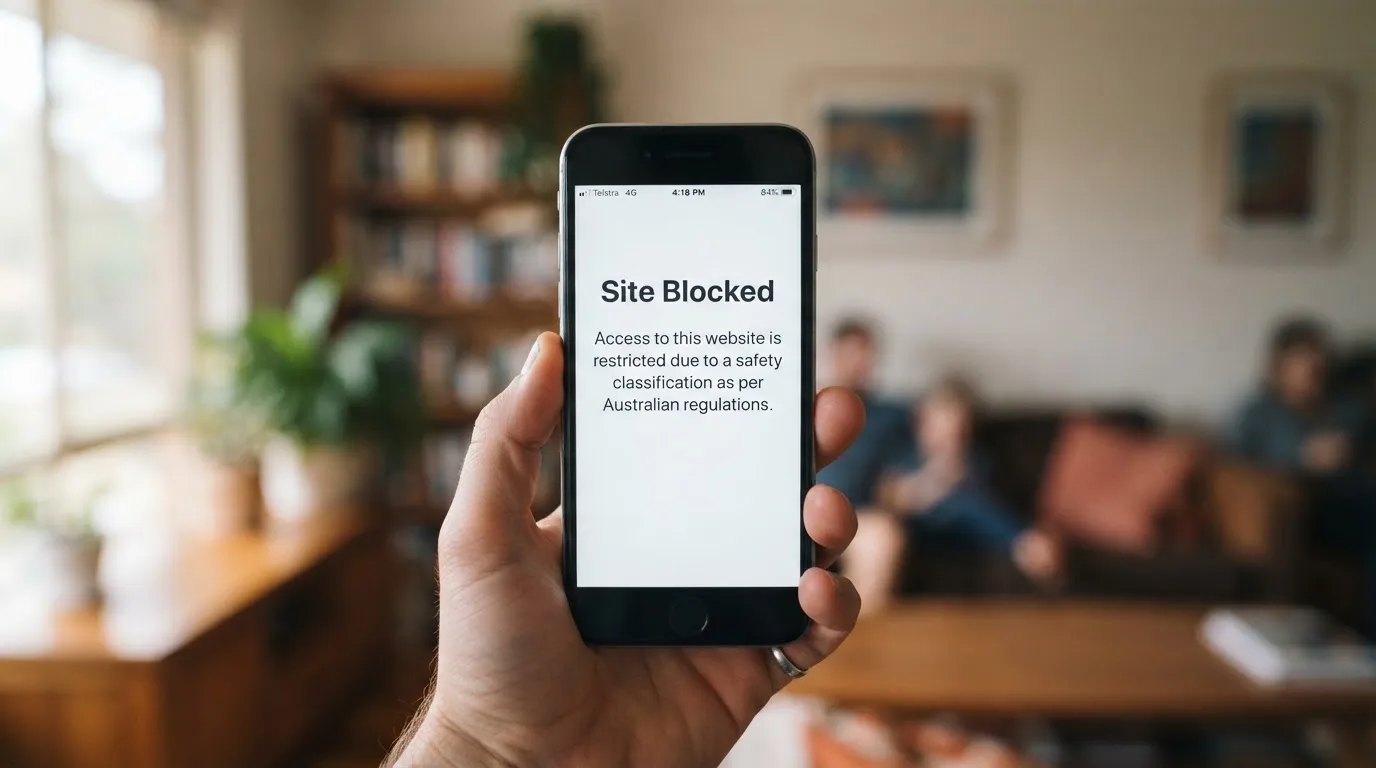
The ACMA investigates, issues formal warnings, and directs Australian internet service providers to block illegal sites. In a round reported on 26 June 2026 the ACMA asked ISPs to block 12 more illegal gambling websites: 7Signs, ChromaBet, Donbet, Duospin, Freshbet, Slots Gem, Jacks Club, Lucky Start, Pointsbetz, Spinrise, Vinyl Casino and Wildsino.
The cumulative numbers carry the shape of the enforcement record. According to the ACMA, a total of 1,751 illegal gambling and affiliate marketing websites had been blocked since the first blocking request in November 2019. More than 230 unlicensed gambling services had left the Australian market since enforcement was strengthened in 2017. H2 Gambling Capital’s 2025 report estimates Australians lose about A$3.9 billion a year to illegal gambling sites, with the share of gambling going through legal channels falling from 74% in 2021 to 64%.
How fast the ACMA blocks
The blocking arithmetic belongs to the writer, not the regulator — the ACMA reports the running total, not a rate. From the first blocking request in November 2019 to the cumulative 1,751 sites reported in June 2026 is roughly 79 months of enforcement. Spread across that period, the ACMA has directed the blocking of between 22 and 23 illegal sites per month on average, with the early years lighter and the recent rounds heavier. The honest way to state the result is a band rather than a single figure: somewhere between 20 and 25 blocks per month, conditional on the enforcement round the ACMA runs in any given month. A single round reported on 26 June 2026 alone blocked 12 sites, which is the kind of month that pulls the average upward.
The cumulative 1,751 also includes affiliate marketing websites, which the ACMA moves against alongside the operator sites themselves. A reader searching for an offshore casino will often reach it through an affiliate page first; cutting both ends of that chain is the shape of the enforcement model.
What blocking does and does not do
A blocking order from the ACMA directs Australian ISPs to make the named site unreachable through the most common routes. It does not destroy the site. It does not claw back any money already deposited. It does not connect the reader to BetStop. The balance a player left on a blocked site sits where it sat, and the operator that took it is offshore, beyond any Australian consumer-protection body.
The blocking record also understates the scale of the offshore market. A site can re-emerge under a new domain within days, the regulator can take months to act against it, and the affiliate marketing pages that funnel readers toward it sit in the same enforcement queue as the operators themselves.
What a reader looking for online keno is actually after
A reader who lands on this page is usually looking for one of three things: a shortlist of online casinos where keno is offered, a keno bonus or promo, or an app to play keno on a phone. The first is not available to them legally in Australia. The second is offered by the offshore brands above and not by any Australian licensee. The third is offered by offshore operators through mobile browser and through apps distributed outside the Australian app stores.
The honest alternatives are: licensed keno at a pub, club or casino in the reader’s state or territory; licensed wagering on races and sport through an NT-licensed bookmaker; a state lottery product; or no gambling at all. None of those is the product the reader searched for. Saying so plainly is the value this page adds.
What licensed keno looks like
A pub or club keno game runs on a fixed draw schedule — typically every few minutes — with a printed ticket and a posted paytable. A land-based casino offers keno in a lounge setting with a similar draw structure and a wider paytable. Both are licensed at state or territory level, both fall under state gambling regulations, and both are subject to the responsible-gambling provisions that the offshore brands are not.
The product is recognisably the same keno: players choose numbers from 1 to 80, the house draws 20 by ball machine or random number generator, and payouts depend on how many of the player’s chosen numbers match. The setting is what the IGA distinguishes.
What an offshore site offers
An offshore site offers keno around the clock, with a software-side RNG replacing the ball machine and a paytable that varies by title. The catalogue is wider than any pub or club — multiple keno variants, themed tickets, multi-spot options up to 20 numbers. The cost is the absence of an Australian licence: no BetStop binding, no local complaints body, no recourse if a withdrawal stalls or a balance is forfeited by the operator’s terms.
The product is marketed in Australian dollars where the operator chooses to localise, in cryptocurrency where it does not, and in every case outside the framework the IGA sets.
The mechanics of keno
Keno runs on a 1-to-80 field. Players typically choose up to 20 numbers; the house draws 20 numbers by ball machine or random number generator; payouts depend on how many of the player’s chosen numbers match the drawn set. The top payout — all 20 numbers on a 20-spot ticket — carries odds of about 1 in 3.5 quintillion.
The legend credits Han-dynasty strategist Zhang Liang with inventing the game during the Chu-Han Contention, with early ticket sheets printed using the first 80 characters of the Thousand Character Classic instead of numbers. The historical detail is decorative; the modern structure is what the paytable measures.
Where keno sits on the house-edge scale
Wizard of Odds puts the house edge of keno at 25% to 29%, the highest of the common casino games, and its survey of live keno in Las Vegas found returns of 65% to 80%. Wikipedia’s keno article gives a house edge of under 4% to over 35% in online play and 20% to 40% in in-person casino play, both well above the edge of typical non-slot casino games.
For comparison, baccarat carries a 1.06% house edge on the Banker bet, 1.24% on the Player bet and 14.36% on the Tie. Blackjack with optimal strategy runs about 0.28% under liberal Las Vegas Strip rules and about 0.43% under Atlantic City rules. Keno is the outlier on this scale, with a house edge that runs ten to a hundred times higher than the table games it shares a casino floor with.
Why the returns vary
Live keno in Las Vegas runs lower returns than the casino-floor average: 65% to 80%, against a theoretical 25% to 29% house edge, which implies a return of 71% to 75%. The discrepancy is the difference between the paytable the operator posts and the paytable the player is actually drawing against; some live keno games strip returns further through ticket-type restrictions. Online keno paytables range from below 4% house edge to above 35%, depending on the title and the operator’s configuration.
The wide spread is the design. A player who reads the paytable sees a number that may bear no relation to the structure of the bet they are placing. Reading the small print before placing a wager is the difference between knowing the cost and not.
Crypto, anonymity and offshore keno
A reader searching for “Bitcoin keno casino” or “crypto casino keno” is asking about a specific subset of the offshore market. The short answer is the same as for any other offshore casino: the brand is outside the Australian framework, the IGA’s prohibition applies, and the ACMA has acted against several of the brands that offer it. The crypto angle adds one further fact: an offshore site asking for a crypto deposit sits outside the Australian rules on payment methods, which since 11 June 2024 have banned digital currency as a payment route for licensed online wagering, alongside credit cards and credit-related products. Penalties for licensed operators taking such payments run up to $247,500.
The legal deposit routes for licensed wagering are debit card, bank transfer, PayID, Osko and BPAY. A site asking for anything else is operating outside the Australian rules on payment methods.
What crypto changes for the player
Crypto deposits do not change the IGA’s prohibition on the offering. They do change the practical question of getting money back: a chargeback is not available on a crypto transaction, and the operator sits outside any Australian consumer-protection body. The same applies to a debit card or a bank transfer, but with a paper trail that may be more useful after the fact.
A reader who wants to deposit in Bitcoin because they want anonymity in their gambling should know the regulatory position before they deposit: the offering is prohibited regardless of the payment method, and the anonymity the reader values is the anonymity the offshore operator also values, with the player’s funds inside it.
Responsible gambling around online keno
BetStop, the National Self-Exclusion Register, has been live since August 2023. It binds Australian-licensed online and phone wagering services, which is the wagering market that is licensed, not the offshore casino market that is prohibited. An offshore casino is not connected to BetStop. Self-excluding through BetStop will not stop an offshore casino from accepting the same player’s deposits.
The National Gambling Helpline is 1800 858 858, free and available 24/7, with chat at Gambling Help Online. The helpline and the chat service sit beside BetStop in the responsible-gambling framework and remain useful regardless of which channel the player is using.
What a self-excluded player should know
Self-excluding through BetStop closes the player’s account with every Australian-licensed online and phone wagering service and stops marketing from those services. It does not close an account with an offshore casino, does not stop an offshore casino from accepting deposits, and does not give the player any recourse if an offshore operator continues to market to them. The offshore brands the ACMA has acted against sit outside the framework, and the player has to act outside the framework to exclude themselves from them.
The minimum age for any Australian-licensed gambling product is 18. An offshore casino may set its own minimum age and verify identities against its own standards, or it may not verify them at all.
What an affected player can do
The first step is to close the account with the offshore operator directly, which the operator may or may not do. The second step is to stop using payment methods that route to offshore casinos: credit cards are banned for licensed wagering since 11 June 2024, and crypto deposits are banned for the same; debit cards and bank transfers are not banned, which means the player has to control them through their own bank or their own card issuer. The third step is to register with BetStop, which closes the licensed wagering side of the market even though it does not close the offshore casino side.
The responsible-gambling framework is built for the Australian-licensed market. An offshore casino sits outside it, and the player has to bring their own framework if they want one.
How to read the ACMA’s record
The ACMA publishes formal warnings and blocking orders on its website, with the operator named and the date of the action. The warnings precede blocking orders; a brand with a formal warning can expect to be the subject of a blocking request in a later round if it continues to offer prohibited services to Australians.
The brands in the table at the top of this page have each received at least one formal warning. Several have received more than one across the corporate wrappers behind them. None has an Australian licence for the product it offers to Australian customers.
What the warnings tell the reader
A formal warning tells the reader the ACMA has investigated the named operator and found it to be offering prohibited services to Australians. It does not tell the reader how many Australians the operator has taken money from, how much money it has taken, or what the operator’s current offer looks like. It does tell the reader that the offering sits outside the law.
The cumulative blocking record — 1,751 sites since November 2019, 230 operators having left the Australian market since 2017 — tells the reader the regulator has not slowed down.
What the warnings do not tell the reader
A formal warning does not tell the reader the operator has been prosecuted, fined or wound up. The IGA’s enforcement model is administrative rather than criminal; the regulator warns, then blocks, then waits for the operator to leave the market or to relaunch under a new domain. A brand that has been the subject of a warning is not necessarily closed, and an offshore casino can keep operating for jurisdictions that permit it while remaining blocked in Australia.
The H2 Gambling Capital figure — Australians losing about A$3.9 billion a year to illegal gambling sites — is an estimate from a market-research firm, not a regulator’s measurement. The 64% share of gambling going through legal channels (down from 74% in 2021) is also an estimate from the same firm. Both are the best available figures for what is happening, and both should be read as estimates rather than measurements.
What an Australian reader should actually do
A reader who arrived at this page looking for “the best online casino for keno in Australia” has arrived at the wrong page for what they want, and the right page for what they need. The product they searched for is prohibited by the IGA, the brands that offer it have been the subject of ACMA enforcement, and the Australian-licensed alternative is keno at a pub, club or land-based casino.
If the reader wants to gamble: licensed keno at a pub, club or land-based casino, licensed wagering on races or sport through an NT-licensed bookmaker, or a state lottery product. All three sit inside the responsible-gambling framework and inside Australian consumer protection.
If the reader wants to stop: BetStop for the licensed wagering side, account closure directly with any offshore operator they have used, and the National Gambling Helpline on 1800 858 858 or Gambling Help Online chat for support.
If the reader is researching the market: this page, the ACMA register of formal warnings and blocking orders, the state and territory gambling regulators, and the H2 Gambling Capital figures on illegal-market losses.
Frequently asked questions
What house edge does keno typically carry compared with other casino games?
Keno carries a house edge of 25% to 29% by Wizard of Odds’ measure, with online paytables ranging from under 4% to over 35%. Baccarat runs 1.06% on the Banker bet and 1.24% on the Player bet, and blackjack with optimal strategy runs about 0.28% under liberal Las Vegas Strip rules. Keno is the outlier on this scale, well above the table games it shares a casino floor with.
Is keno available at licensed pubs and clubs in Australia, not just casinos?
Keno is licensed at state and territory level for pubs, clubs and land-based casinos in every state that has licensed it. Keno (QLD) Pty Ltd is the exclusive licensee in Queensland under the Keno Act 1996; the joint keno operator and product licence in NSW was extended to 1 April 2050; Victoria issued 20-year keno licences from 15 April 2022. The licensed keno market is the pub, club and casino floor, not an Australian-licensed online casino product.
Is it legal for an online casino to offer keno to players in Australia?
No. The Interactive Gambling Act 2001, strengthened by the Interactive Gambling Amendment Act 2017, makes it an offence to provide online casino games — keno included — to a person in Australia. No state or territory licenses online casino games for Australian residents. The prohibition is on the provider, and the ACMA has issued formal warnings and directed blocking against more than 1,750 illegal sites since November 2019.
How does live keno differ from an automated keno draw?
Live keno runs on a physical ball machine with a fixed draw schedule, typically every few minutes, in a pub, club or casino lounge. Automated keno runs on a random number generator through software, with draws on demand, at an offshore online casino. The Wizard of Odds survey of live keno in Las Vegas found returns of 65% to 80%; online paytables range from under 4% house edge to over 35%, depending on the title.
Can keno be played with a Bitcoin deposit at an offshore site?
Yes — offshore casinos that accept cryptocurrency, including several on the ACMA’s enforcement record, will accept a Bitcoin deposit for keno. The legal position is unchanged: the IGA prohibits the offering regardless of payment method, and crypto deposits have been banned as a payment route for licensed Australian wagering since 11 June 2024. An offshore casino asking for a Bitcoin deposit sits outside the Australian rules on payment methods and outside Australian consumer protection.
Why do keno returns vary so widely between venues?
Live keno paytables strip returns through ticket-type restrictions, with Wizard of Odds finding 65% to 80% returns in the Las Vegas survey against a theoretical 25% to 29% house edge. Online paytables range from under 4% to over 35% house edge depending on the title and the operator’s configuration. The wide spread is the design: the paytable posted may bear no relation to the structure of the bet being placed, and reading the small print is the difference between knowing the cost and not.
Written by the editors at Casino Ratings Info.