
New Australian online pokies in 2026: what the law allows and what the ACMA has been blocking
Anyone typing “new Australian online pokies” into a search bar is, almost certainly, looking for somewhere to play online casino games. The honest first paragraph is a short one: offering online casino games to anyone in Australia is prohibited under the Interactive Gambling Act 2001, and no state or territory issues a licence for it. The remainder of this page is what follows from that — the regulator’s published enforcement record, the payments rules that go with the prohibition, the responsible-gambling tools that only the licensed side can plug into, and the eleven offshore brands the ACMA has named in formal warnings in the last four years.
28 October 2026 · checked against the ACMA’s published formal warnings register and the Interactive Gambling Act 2001 (Cth).
Table of Contents
- The eleven brands the ACMA has named in formal warnings
- What “new online pokies” actually means in the licensed Australian market
- How many sites the ACMA has blocked, and what the trend actually says
- The Interactive Gambling Act 2001 and how it is enforced
- The eleven brands the ACMA has acted against, side by side
- How payments reach an Australian bank account from an offshore site
- Responsible gambling: what BetStop actually covers
- The calculation: what the ACMA’s blocking rate has actually been
- What is actually licensable for an Australian reader
- Frequently asked questions
The eleven brands the ACMA has named in formal warnings
This page is not a recommendation. It is a record. The table below lists the eleven casino brands the Australian Communications and Media Authority has identified in published formal warnings since 2022, ordered by the year of the most recent ACMA action against the operator behind them. None of them holds an Australian licence for online casino games. No Australian licence exists for online casino games, because none can be issued.

| Brand | ACMA action and date | Operator named by the ACMA | Subject support |
|---|---|---|---|
| RocketPlay | Formal warning, March 2026 | Pulsup Ltd (Rocketplay) | — |
| Jackbit | Formal warning, April 2026 | Ryker B.V. (Jackbit, CasinOK) | — |
| Ignition Casino | Formal warning, July 2025 | Bamboo Media | — |
| National Casino | Formal warning, July 2025 | Consolutetish S.R.L. | listings-only (Wikipedia) |
| Bizzo Casino | Formal warning, July 2025; earlier 2022 | Consolutetish S.R.L.; TechSolutions (CY) Group Ltd / TechSolutions Group N.V. | — |
| Casino Intense | Formal warning, April 2025 | Sterplay Holding Ltd | listings-only (ABC, ACMA, Crown Melbourne) |
| Woo Casino | Formal warning, March 2025 | Dama N.V. | — |
| Spirit Casino | Formal warning, May 2025 | Dama N.V. | — |
| Instant Casino | Formal warning, February 2025 | EOD Code SRL | — |
| Sky Crown | Formal warning, September 2022 | Hollycorn N.V. (Sky Crown, Blue Leo) | — |
| Level Up Casino | Formal warning, May 2022 | Dama N.V. | listings-only (BGaming) |
The columns themselves carry the shape of the record. Two operators dominate it: Dama N.V., named in three of the eleven warnings (Level Up, Woo and Spirit); and Consolutetish S.R.L., named in two (National Casino and Bizzo, the latter with a prior 2022 warning issued to a different corporate group). The remaining seven brands sit with one warning each, spread across operators that come and go behind the same web address. That pattern matters, because a player who remembers a brand being “new” is often remembering a rebrand rather than a fresh operator — the ACMA’s record tracks the operator, not the marketing layer.
A “Subject support” column sits last because the relevant question for an Australian reader is not whether BGaming or Wikipedia lists the game, but whether anything in the catalogue is licensable for them. It is not.
What “new online pokies” actually means in the licensed Australian market
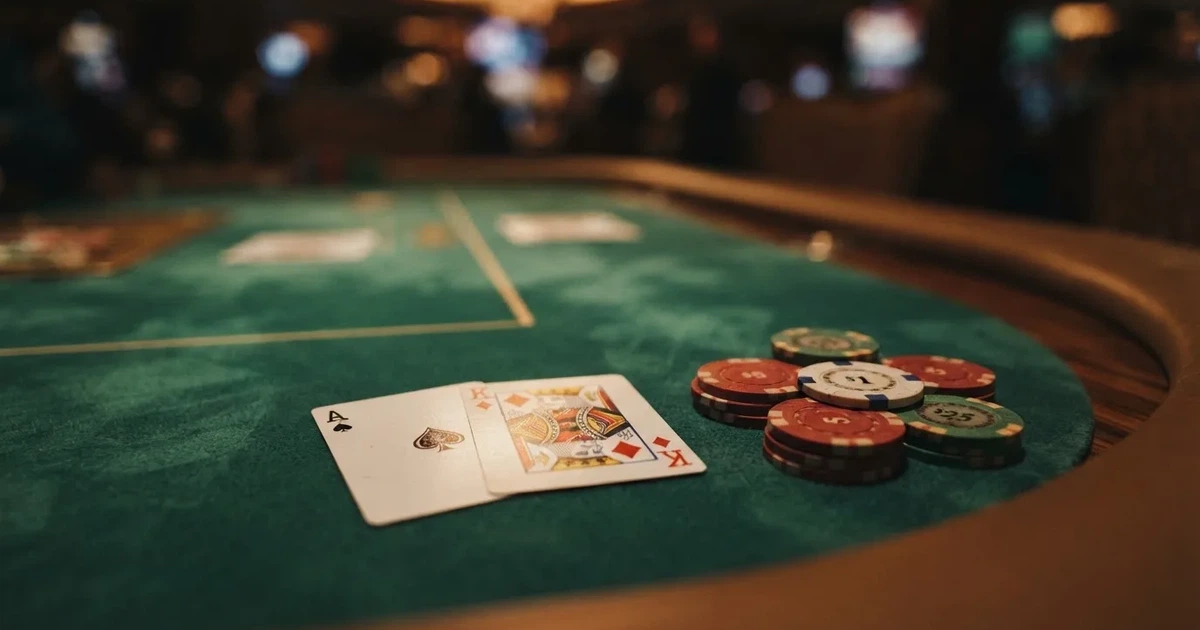
The word “pokies” is the Australian name for electronic gaming machines, and the machines themselves are licensed state by state. New South Wales alone had 87,298 gaming machines outside casinos across 2,195 venues as of June 2023, with player losses of A$8.18 billion in 2022-23. Queensland had 21,122 in 351 venues in October 2023. Victoria had 26,380 outside Crown Casino in 488 venues in 2021-22, sitting under a statewide cap of 30,000. Western Australia took the opposite path in 1985: when Crown Perth opened, the state banned poker machines in pubs and clubs, and Crown Perth’s own machine count has since grown from roughly 200 in 1985 to around 2,500 today, all approved by the state’s Gaming and Wagering Commission.
A new release in the licensed market is therefore a new game on a licensed pub, club or casino floor — a title approved by the regulator in the relevant jurisdiction before it can be deployed. In NSW the approval sits with Liquor & Gaming NSW; in Victoria with the Victorian Gambling and Casino Control Commission, which replaced the VCGLR on 1 July 2022; in Tasmania with the Tasmanian Liquor and Gaming Commission, to which oversight moved after legislation in November 2021 ended the Federal Group’s monopoly. Every one of those regulators tests a new title’s maths, return-to-player settings and behaviour before it goes live. The minimum legal return-to-player varies by jurisdiction: 85% in New South Wales, the Northern Territory, Queensland and (generally) Victoria, 87% at Crown Melbourne, 87% in the ACT and Tasmania, 87.5% in South Australia, and 90% in Western Australia.
A new release in the offshore market is something else. It is a game added to an unlicensed offshore site’s catalogue, with whatever return-to-player the operator has configured and whatever independent testing the operator has chosen to publish. Some of those titles are produced by reputable studios. None of them are tested, configured or overseen by an Australian regulator.
How many sites the ACMA has blocked, and what the trend actually says
The ACMA has asked Australian internet service providers to block 1,751 illegal gambling and affiliate marketing websites since the first blocking request in November 2019. In the round reported on 26 June 2026 alone the regulator named twelve more: 7Signs, ChromaBet, Donbet, Duospin, Freshbet, Slots Gem, Jacks Club, Lucky Start, Pointsbetz, Spinrise, Vinyl Casino and Wildsino. The running total grew from one blocking request in November 2019 to 1,751 by mid-2026, with 12 added in a single round roughly six and a half years later — a rate that, sustained, implies somewhere in the order of 150 to 300 new illegal or affiliate domains named per year, with the year’s actual figure swinging on how the ACMA groups affiliate pages and casino brands.
H2 Gambling Capital’s 2025 report estimates Australians lose about A$3.9 billion a year to illegal gambling sites, and puts the share of gambling going through legal channels at 64% — down from 74% in 2021. The blocking programme and the loss figure are not the same measure, but they are connected: a regulator that has taken 1,751 domains off the airwaves since 2019 and still sees A$3.9 billion a year flowing to the offshore side is fighting a moving target. New domains replace old ones. Affiliate marketing pages reproduce the catalogue. The same Dama N.V. brands that the ACMA warned in May 2022 turned up again in March 2025 (Woo Casino) and May 2025 (Spirit Casino), under the same operator. New name, same operator.
The Interactive Gambling Act 2001 and how it is enforced
The Interactive Gambling Act 2001, strengthened by the Interactive Gambling Amendment Act 2017, makes it an offence to provide online casino games, online pokies or in-play betting to a person physically in Australia. What is licensable is wagering on races and sport placed before the event, lotteries and keno — and in practice most online bookmakers are licensed in the Northern Territory, where the Racing and Wagering Commission regulates 52 of them including Sportsbet, Bet365 and Ladbrokes, and runs without full-time staff, meeting once a month in Darwin.
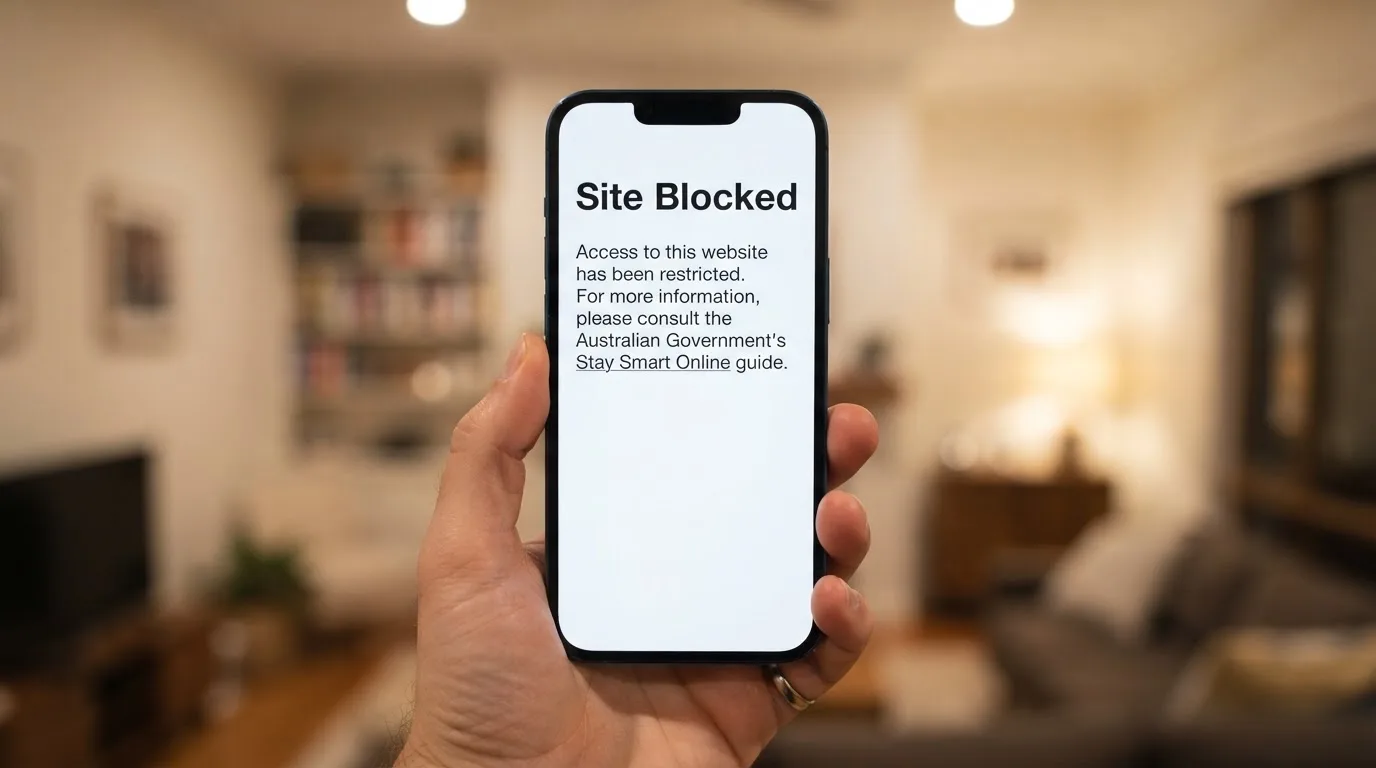
The ACMA’s three published enforcement tools sit on top of the prohibition. It investigates complaints, issues formal warnings — the documents the table above records — and, where a service does not wind itself up after a warning, asks Australian internet service providers to block the site at the network level. The minimum age for any licensed wagering or gaming in Australia is 18.
The IGA targets the provider, not the individual player. No Australian reader of this page is at risk of prosecution for having an account with one of the brands named in the table. The cost of playing with one is different. An offshore site gives no Australian consumer protection: there is no Australian complaints body to write to, no local regulator to escalate to, and no realistic path to a refund if a withdrawal is refused. The site can be blocked in Australia with a balance still on it — the regulator does not freeze the balance, it cuts the address.
The eleven brands the ACMA has acted against, side by side
What follows is the page’s reading of each brand in the table, written as a record rather than a recommendation. Each entry names what the ACMA published, what licence the brand displays if any, and where it fits in the broader pattern.
RocketPlay
The ACMA issued a formal warning to Pulsup Ltd over Rocketplay in March 2026, on top of an earlier May 2022 warning to Dama N.V. that covered Rocketplay among six brands. Two operators, the same front-of-house address. The page exists to take Australian sign-ups; the ACMA’s enforcement is the regulator’s published response to that.
Level Up Casino
A May 2022 formal warning to Dama N.V. named Level Up among six Dama brands — Bambet, Dazard, Level Up, Rocketplay, Wild Tornado and Cobra Casinos. The brand is listed in BGaming’s studio directory as one of its partners; the listing is not an Australian licence, and BGaming does not issue them.
Woo Casino
Dama N.V. received a further formal warning in March 2025 covering Woo Casino, three years after the May 2022 warning that named six of its brands. The pattern is the one the regulator’s published record shows across Dama’s portfolio: same operator, separate warnings, new branding.
Spirit Casino
A second 2025 Dama N.V. warning followed in May 2025, this time over Spirit Casino. Two Dama warnings in three months, on top of the 2022 batch.
National Casino
Consolutetish S.R.L. received a formal warning in July 2025 over National Casino. Wikipedia’s entry for the brand exists because it has been written about, not because it is licensed in Australia; nothing about a Wikipedia entry is a regulatory approval.
Bizzo Casino
The July 2025 warning to Consolutetish S.R.L. also covered Bizzo Casino, which the ACMA had already warned in 2022 when it was operated by TechSolutions (CY) Group Limited and TechSolutions Group N.V. Same brand, new operator behind it, fresh warning.
Ignition Casino
A July 2025 formal warning to Bamboo Media covered Ignition Casino. Bamboo Media is not a name that appears elsewhere in the ACMA’s published register for the brands on this page.
Instant Casino
EOD Code SRL received a formal warning in February 2025 over Instant Casino, early in the 2025 cluster of actions.
Jackbit
Ryker B.V. received a formal warning in April 2026 covering Jackbit and CasinOK. The April 2026 round also caught Casino Intense under a different operator.
Casino Intense
Sterplay Holding Ltd received a formal warning in April 2025 over Casino Intense. The brand is named in passing in Australian coverage of casino regulation and in the ACMA’s own enforcement pages.
Sky Crown
Hollycorn N.V. received a formal warning in September 2022 over its Sky Crown and Blue Leo casino services, the earliest action on this list and the one that opened the published run the table records.
The picture the eleven entries paint together is the one the ACMA’s record shows in aggregate. Offshore operators serving Australia, warned under the IGA, rebrand, reincorporate, and turn up again under a new name with the same catalogue. None of the eleven ends in a verdict that recommends it. None ends in a verdict that recommends against it either: a recommendation would presume the reader is the kind of person who would use a recommendation to open an account at an unlicensed offshore site the ACMA has named in a formal warning, and the page’s read of that reader is that they have already been told by their own regulator not to.
How payments reach an Australian bank account from an offshore site
The licensed side of Australian online gambling uses a small, defined set of deposit routes. Since 11 June 2024, credit cards, credit-related products and digital currency have been banned as payment for licensed online wagering, with penalties of up to A$247,500 for operators who take them. The legal deposit routes for a licensed Australian wagering account are debit card, bank transfer, PayID/Osko and BPAY. A site asking an Australian player for a credit card or a crypto deposit is, on the Australian side, operating outside the rules.
PayID — the New Payments Platform address that resolves to a phone number, email or ABN — and Osko, the real-time settlement layer that runs over it, are how most licensed Australian wagering operators settle deposits and withdrawals today. A withdrawal to a PayID or Osko destination lands in the linked bank account in seconds once the operator releases it, which is why “new PayID pokies” is a phrase that surfaces in search. The licensed wagering operators do not offer pokies; they offer sports and racing. The phrase “PayID pokies” describes a payment method, not a licensable product.
An offshore site accepting PayID is a different object from a licensed Australian wagering operator accepting PayID. The licensed operator is connected to BetStop, is supervised by a state or territory regulator, and is subject to the credit-card and crypto ban. The offshore operator is none of those things. A PayID deposit to an offshore site moves money to an entity the ACMA has named in a formal warning, on infrastructure that has no Australian regulatory anchor.
Responsible gambling: what BetStop actually covers
BetStop — the National Self-Exclusion Register — went live in August 2023 and is the only nationwide self-exclusion scheme in Australia. It binds Australian-licensed online and phone wagering services, which in practice means licensed sports and racing bookmakers and the lottery and keno operators. It does not bind offshore casino or pokies sites, because those sites are not licensed in Australia and have no obligation to consult the register before accepting a sign-up.
The same point applies to deposit caps, reality checks and the rest of the harm-minimisation layer that licensed wagering operators carry. A player who self-excludes through BetStop closes off their licensed wagering accounts and any new licensed sign-ups for the period they nominate. The same player can still open an account at any of the eleven brands named in the table above, because none of those brands checks BetStop. Self-exclusion is only as strong as the operators it binds.
The National Gambling Helpline — 1800 858 858 — is free, 24/7 and accepts anonymous calls. Chat is available through Gambling Help Online. Both services cover gambling harm of any kind, licensed or not. State and territory problem-gambling programmes also run their own counselling and financial-counselling services; Lifeline (13 11 14) is the broader crisis line.
The calculation: what the ACMA’s blocking rate has actually been
The blocking programme began in November 2019. By 26 June 2026 the running total of blocked illegal gambling and affiliate marketing websites had reached 1,751. This total reflects the scale of the regulator’s enforcement — the rate that the published record actually supports, with the conditions that rate carries.
Across roughly six years and seven months — about 79 months — 1,751 domains have been added to the blocking list, which works out to somewhere in the order of 22 new blocked domains per month on average, or about 265 per year. The June 2026 round alone added 12, which is a single month’s typical output rather than an outlier. The actual monthly figure swings widely, because the ACMA groups some rounds and not others, and because affiliate marketing pages and casino brands are different kinds of target with different replacement cadences.
The rate the page commits to is therefore a band, not a figure: somewhere in the order of 150 to 300 illegal or affiliate domains blocked per year, with the higher end reflecting years when the regulator publishes larger rounds or acts against affiliate marketing networks rather than individual casino brands. The condition is that the running total is a count of domains, not of operators, and that a rebrand can move a domain from one operator’s count to another’s without changing the number of operators behind it.
What the rate tells an Australian reader is that the ACMA has been naming new domains at a steady clip since 2019 without slowing down. It does not tell the reader the offshore market is shrinking. H2 Gambling Capital’s A$3.9 billion annual loss estimate and the falling share of gambling going through legal channels — 74% in 2021, 64% in 2025 — point the other way.
What is actually licensable for an Australian reader
The honest alternative to “new Australian online pokies” is not “new Australian online pokies on a different site”. It is the licensed Australian offer, which covers three things and three things only.
In a pub, club or casino in Australia, electronic gaming machines are licensed state by state, with the per-jurisdiction return-to-player minimums set out earlier in this page. A new release in that market is a new game on a licensed floor — a title tested by the state regulator and configured to the legal minimum. Crown Melbourne offers three baccarat variants — Traditional Baccarat, Crown Baccarat and 2 to 1 Baccarat — as approved table games regulated by the Victorian Gambling and Casino Control Commission. Crown Sydney and Crown Perth run comparable table-game floors under their respective state regulators. Under section 66 of the NSW Casino Control Act 1992, a casino operator must not permit a game such as baccarat to be played unless the game and its rules are approved by the regulator, and the operator must make a copy of the approved rules available to patrons on request.
Online, the licensable product is wagering on racing and sport placed before the event, lotteries and keno. Most of the licensed online bookmakers are licensed in the Northern Territory through the Racing and Wagering Commission, which regulates 52 of them including Sportsbet, Bet365 and Ladbrokes. Tasmania planned nation-leading mandatory pre-commitment cards for its poker machines, but the reform’s implementation was delayed until late 2025 — it is now in force for the relevant venues, on the cards the Tasmanian Liquor and Gaming Commission approved.
The house always has an edge. In baccarat the house edge is 1.06% on the Banker bet, 1.24% on the Player bet and 14.36% on the Tie. In blackjack, with optimal strategy, the house edge is about 0.28% under liberal Las Vegas Strip rules and about 0.43% under Atlantic City rules. None of these edges turn a session into a winning proposition for the player, and none of them apply to a game on an unlicensed offshore site.
Frequently asked questions
How much do Australians lose on gaming machines in an average year?
In 2020-21 Australians bet almost A$150 billion through gaming machines and lost A$12.18 billion on them, with NSW alone recording A$8.18 billion in losses across 87,298 machines in 2,195 venues in 2022-23. The figure does not separate online from land-based play, because online pokies are not a licensable category in Australia.
What counts as a new pokies release versus an established one?
In the licensed Australian market a new release is a new game on a licensed pub, club or casino floor, approved by the state or territory regulator and configured to the legal minimum return-to-player for that jurisdiction — 85% in NSW, the Northern Territory, Queensland and (generally) Victoria, 87% at Crown Melbourne, 87% in the ACT and Tasmania, 87.5% in South Australia, and 90% in Western Australia. Offshore sites use the same word without any of those regulatory constraints.
Is it legal for an online casino to offer new pokies titles to Australians?
No. The Interactive Gambling Act 2001, strengthened by the Interactive Gambling Amendment Act 2017, makes it an offence to provide online casino games, online pokies or in-play betting to a person in Australia; no state or territory issues a licence for online casino games. The eleven brands named earlier in this page are the regulator’s published record of operators who have offered them anyway.
Can a new pokies bonus be claimed through a PayID deposit?
PayID and Osko are real-time payment methods that licensed Australian wagering operators accept for sports and racing accounts. They are not, on their own, a route to claim a bonus on a pokies game, because no Australian-licensed operator offers online pokies. A PayID deposit to an offshore site accepting it is a deposit to a service the ACMA has named in a formal warning, not a claim on a licensable offer.
Are new pokies titles tested before they appear on licensed club or pub floors?
Yes, in the licensed Australian market. Every state and territory regulator tests a new title’s maths, return-to-player settings and behaviour before it is approved for deployment on a licensed floor. There is no equivalent approval for the same title if it appears on an unlicensed offshore site, which is the difference between a “new pokies release” and an unregulated one.
Why does Australia have such a large share of the world’s poker machines?
Australia has about 3% of the world’s pub and club poker machines with 0.3% of the global population. The licensed machine count sits in a small number of jurisdictions with permissive machine-per-venue ratios — NSW’s 87,298 machines in 2,195 venues is the headline figure — and the legal floor for return-to-player in several states is the lowest in the country at 85%. The combination produces both the high per-capita machine count and the high per-capita loss figure.