
Relax Gaming, the offshore casino market, and why the two don’t meet inside Australia
A clean line separates what an Australian can legally play and what gets advertised to them in their inbox. Relax Gaming makes slot and live-dealer content for licensed online casinos. Those casinos operate under regulators in the UK, Malta, Gibraltar, Romania and Ontario. None of them is licensed to offer casino games to a person sitting in Sydney, Melbourne or Perth. The Interactive Gambling Act 2001, tightened further in 2017, makes that offer a criminal offence at the provider end — and the Australian Communications and Media Authority has spent the years since then issuing formal warnings, requesting site blocks and naming the operators one by one.
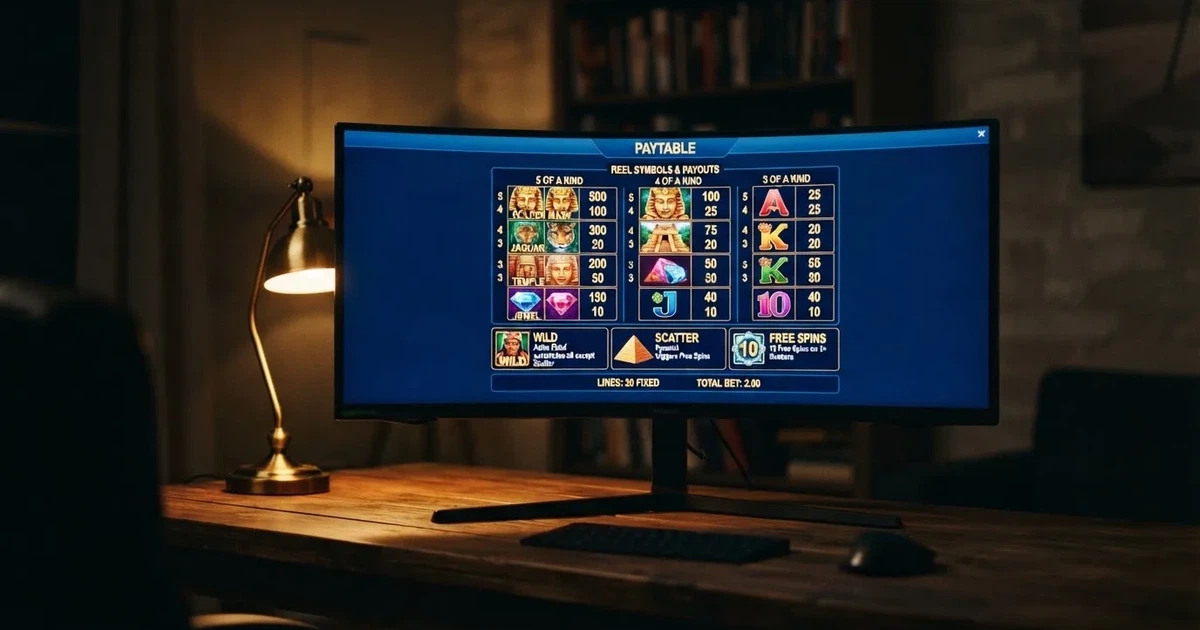
This page reads the Australian market from the law side, because that is the only side that determines whether a game is actually available. A spin button that loads does not mean the offer is legal. The casinos in this guide are described because the ACMA has already acted against them — not because they are recommended. Where a reader’s question is “where can I play”, the honest answer runs through the state-based land-based venues and the licensed wagering operators, neither of which matches the topic.
Data current as of 28 October 2026 and cross-checked against the ACMA’s formal warning register and blocking notices.
Table of Contents
- Why “Relax Gaming casino” is not a thing a licensed Australian site can offer
- The picture a regulator warning paints, and what the numbers add up to
- The brands the ACMA has named, and what the record says about each
- What “responsible gambling” means in a market where most of the offer is unlicensed
- Payments, payout speed and what an offshore site does instead
- Bonuses and free spins, and what the marketing language costs
- Mobile, app, and where the spin button actually sits
- The providers, the games, and what an Australian player actually meets in the lobby
- How a shortlist of Relax Gaming venues is built, and why this page does not build one
- What an Australian punter should do when an offshore site keeps advertising
- Tax, winnings and what a recreational player needs to know
- What this page leaves out, and why
- The reader who is looking for what they came for
- Where to from here
- Frequently asked questions
Why “Relax Gaming casino” is not a thing a licensed Australian site can offer
The Interactive Gambling Act 2001, as amended by the Interactive Gambling Amendment Act 2017, makes it an offence to provide certain interactive gambling services to customers physically present in Australia. Casino-style games — slots, table games, live-dealer streams, keno played online — sit on the prohibited list. The Act targets the provider, not the player, which is why offshore operators keep advertising to Australians with relative impunity: no Australian prosecutor is going after the punter, only after the site.

A reader who lands on a casino page bearing a Curaçao or Malta badge and a “Australians welcome” banner is looking at an unlawful offer, whatever the badge says. The badge authorises the operator to take bets from jurisdictions where the regulator sits — Willemstad, Valletta, London. It says nothing about Australia, and the ACMA has been clear that it considers such offers prohibited interactive gambling services regardless of where the licence was issued.
What’s left in Australia is wagering — sports and racing bets placed before the event — plus lotteries and keno. The Northern Territory Racing and Wagering Commission regulates 52 of Australia’s online bookmakers, including Sportsbet, Bet365 and Ladbrokes. The Commission has no full-time staff and meets once a month in Darwin, which says something about how lightly the existing wagering regime is policed compared with the enforcement campaign the ACMA has run against the casino side. Sportsbet, Bet365 and Ladbrokes are licensed in Australia for wagering only. They do not carry Relax Gaming slots.
The minimum age for any Australian-licensed gambling product is 18. No licensed Australian product accepts credit cards, credit-related products or cryptocurrency — that ban took effect on 11 June 2024, with penalties up to A$247,500 for any operator that breaks it. Debit card, bank transfer, PayID/Osko and BPAY are the routes the law leaves open for licensed wagering. If a site asks an Australian for a Visa deposit or a Bitcoin transfer, it is operating outside the Australian rules, and the absence of those routes is a useful tell.
A further reform sits on the horizon. The Interactive Gambling Amendment (Gambling Reform) Bill 2026 passed Parliament on 19 August 2026; its advertising and inducement measures commence on 1 January 2027. It is law with a start date, not yet in force. When it takes effect, the inducement side of the offshore market — the bonus emails, the pop-up “free spins welcome” offers, the affiliate ads ranking for Australian websites — will be subject to its own prohibitions. The page below describes the market as it is in the months before those rules begin to bite.
The picture a regulator warning paints, and what the numbers add up to
The ACMA’s enforcement is cumulative. A single warning does not move a site off the Australian internet. What accumulates is a published register, a string of blocking requests to ISPs, and a record that any punter who bothers to look up the brand can read. The numbers below come from the ACMA’s own published enforcement record as reported in June 2026.
Since the first blocking request in November 2019, a total of 1,751 illegal gambling and affiliate marketing websites have been blocked. More than 230 unlicensed gambling services have left the Australian market entirely since enforcement was strengthened in 2017. The June 2026 round alone added twelve more domains: 7Signs, ChromaBet, Donbet, Duospin, Freshbet, Slots Gem, Jacks Club, Lucky Start, Pointsbetz, Spinrise, Vinyl Casino and Wildsino. None of those twelve carries Relax Gaming’s games specifically, and the ACMA’s list is not sorted by software provider — but every one of them was offering prohibited interactive gambling services to Australians.
The economic weight of the offshore trade is not small. H2 Gambling Capital’s 2025 report estimates Australians lose around A$3.9 billion a year to illegal gambling sites, and tracks the share of gambling going through legal channels falling from 74% in 2021 to 64% in the most recent reading. The fall does not mean more people are gambling — it means a larger share of every gambling dollar is being absorbed by operators that pay no Australian tax, sit outside Australian consumer law and offer no Australian complaint path when something goes wrong.
A rough blocking rate falls out of those numbers. Take the 1,751 blocked sites and divide by the elapsed period — November 2019 to the June 2026 report, roughly 79 months. That works out to somewhere around 22 sites blocked per month on average across the whole campaign, with the rate accelerating in the most recent reporting rounds: the 12 sites added in the single June 2026 round sit well above that monthly average. The figure is not a forecast and the ACMA does not publish one — but the trend in the published record is clearly upward, and the gap between the early rounds and the current ones is the part a reader notices most. The rate is a band, not a single number, because the months between blocking rounds vary: some months see no new blocks, some see double-digit additions, and the average smooths over both.
What the rate does not capture is what happens to a balance a player has on the books when an ISP block lands. The block severs the connection between the Australian customer and the offshore server. Funds already deposited do not automatically come back. The ACMA does not arbitrate disputes with offshore operators, the operator’s home regulator considers the Australian player an unauthorised customer, and the punter is left holding whatever the site chooses to do about it. That is the consumer-side cost the enforcement statistics do not show.
The brands the ACMA has named, and what the record says about each
The table below sets out every brand this page covers. It is not a ranking and not a shortlist of places to play. Each row is a brand the ACMA itself has acted against for offering prohibited interactive gambling services to Australians — the regulator’s own register, transcribed and dated. The “subject support” column records whether independent listings (a provider’s own catalogue, a regulator’s register, a Wikipedia entry) confirm that the brand carried Relax Gaming’s games; where the listings show nothing, the cell stays empty and the brand is not attached to that subject.
| Brand | ACMA action and date | Operator named by the ACMA | Subject support |
|---|---|---|---|
| RocketPlay | Formal warning, March 2026; earlier warning to its operator Dama N.V. in May 2022 | Pulsup Ltd (Rocketplay.com.au) | — |
| Level Up Casino | Formal warning, May 2022 | Dama N.V. | listings (Wazdan) |
| Woo Casino | Formal warning, March 2025 | Dama N.V. | — |
| Spirit Casino | Formal warning, May 2025 | Dama N.V. | — |
| National Casino | Formal warning, July 2025 | Consolutetish S.R.L. | listings (Betsoft, Wikipedia, Pragmatic Play) |
| Bizzo Casino | Formal warning, July 2025; earlier warning to TechSolutions in 2022 | Consolutetish S.R.L. | — |
| Ignition Casino | Formal warning, July 2025 | Bamboo Media | — |
| Instant Casino | Formal warning, February 2025 | EOD Code SRL | — |
| Jackbit | Formal warning, April 2026 | Ryker B.V. | — |
| Casino Intense | Formal warning, April 2025 | Sterplay Holding Ltd | listings (1spin4win, Wikipedia, UK Gambling Commission) |
| Sky Crown | Formal warning, September 2022 | Hollycorn N.V. | — |
The column a reader actually works from is the operator name. The brand is the customer-facing label; the operator is the entity the ACMA put on the formal warning. One operator can run many brands. Dama N.V. alone accounts for four of the eleven rows above — RocketPlay (when it was under that operator, before Pulsup Ltd took over), Level Up Casino, Woo Casino and Spirit Casino. The ACMA’s enforcement therefore compounds across a portfolio rather than against a single site, which is why the same operator turns up in the published register again and again.
The “subject support” column is the only place this page makes a claim about whether a brand carried Relax Gaming’s games. Where the cell is empty, the independent listings consulted do not name the brand in connection with Relax Gaming — and that absence is the point. Most of these brands carry a wide range of provider content from studios licensed in the same offshore jurisdictions as the operator itself; whether Relax Gaming is one of them is a narrower question, and the regulator’s register does not answer it for every brand. The brands that do turn up in provider listings are flagged as such, and the reader can take it as “this site has been seen offering content from this studio” rather than as a recommendation.
RocketPlay — the brand with two operators on its record
RocketPlay’s history in the ACMA’s register runs across two operators. In May 2022 the ACMA issued a formal warning to Dama N.V., which at that stage ran RocketPlay alongside five other casino brands. In March 2026 a second formal warning went to Pulsup Ltd over Rocketplay.com.au specifically. The continuity is the brand, not the corporate vehicle. A reader who knew RocketPlay only as a Dama N.V. property in 2022 and meets it again under a Pulsup Ltd banner in 2026 is looking at the same offer to the same Australian customers, dressed in a different corporate wrapper. The ACMA’s record treats both as the same underlying service.
The brand carries no confirmed listing for Relax Gaming content in the consulted sources, so the subject-support cell stays empty. The verdict here is the simple one: a brand that has attracted two separate formal warnings is not the place a reader looking for a regulated offer is going to find one. Whatever spin button loads, the offer sits outside the Australian regulatory frame.
Level Up Casino — older warning, still active brand
Dama N.V.’s May 2022 warning covered six brands; Level Up Casino is one of them. The warning has not been withdrawn, the brand continues to take Australian traffic, and the operator continues to hold other Dama N.V. brands in the ACMA’s line of fire (Woo Casino and Spirit Casino both received fresh warnings in 2025). The consulted listings show Level Up Casino carrying Wazdan’s catalogue, but no Relax Gaming listing, so this page does not claim it offers Relax Gaming titles.
A May 2022 warning predates the 2024 credit-card ban, the 2023 launch of BetStop and the current round of reform legislation. None of that changes the legal status: the warning stands, the offer remains prohibited, and the operator has not obtained an Australian licence. What is worth noting is that the underlying operator group keeps producing new brands under fresh corporate banners, and the ACMA keeps responding to them. That is the shape of the market — not a static list of bad actors, but a treadmill.
Woo Casino and Spirit Casino — the 2025 pair
Woo Casino received a formal warning in March 2025, Spirit Casino in May 2025. Both sit under Dama N.V., the operator that has been on the ACMA’s register since 2022 and remains there. Neither brand turns up in the consulted listings for Relax Gaming content. The pattern across the two warnings — four months apart, same operator, same prohibited service to Australians — is the page’s own signal: an operator that has been warned once, warned again under a different brand, and not changed course.
National Casino — listings-confirmed provider catalogue
Consolutetish S.R.L. received a formal warning in July 2025 over National Casino. Independent listings consulted for this page — Betsoft’s own catalogue, Wikipedia’s coverage of the brand and Pragmatic Play’s published partner list — confirm National Casino as a venue carrying content from those providers. The brand therefore sits in the small subset of the ACMA’s warned brands that have a documented, third-party-verified provider footprint.
The cell carries “listings” rather than “confirmed” because the listings were not produced for this page — they are external catalogues that happen to name the brand. A reader who wants to know whether Relax Gaming’s titles specifically are on National Casino’s lobby would need to load the site, which is exactly the access the ACMA’s enforcement is trying to block. The honest reading of the cell is “the brand exists in provider catalogues”, not “Relax Gaming is on it”.
Bizzo Casino — the repeat-warning brand
Bizzo Casino’s entry in the ACMA’s register runs to two operators. Consolutetish S.R.L. received the formal warning in July 2025; before that, in 2022, TechSolutions (CY) Group Limited and TechSolutions Group N.V. were warned for the same brand. Two operators, one brand, one underlying service — and the pattern matches RocketPlay’s. A punter who avoided Bizzo Casino under the TechSolutions banner and finds it back under Consolutetish S.R.L. is encountering the same offer through a different corporate vehicle. The ACMA’s register makes the chain visible. Whether the brand currently carries Relax Gaming’s games is not established by the consulted listings.
Ignition Casino, Instant Casino, Jackbit — single-operator warnings
Ignition Casino, Instant Casino and Jackbit each received a single formal warning — Bamboo Media in July 2025 for Ignition Casino, EOD Code SRL in February 2025 for Instant Casino, and Ryker B.V. in April 2026 for Jackbit (which the same warning covered alongside CasinOK). None of the three appears in the consulted listings for Relax Gaming content. The page does not attach the subject to them.
The geographic spread of the operators is itself a note: Bamboo Media, EOD Code SRL, Ryker B.V. — three different corporate vehicles from at least two different jurisdictions. The ACMA’s enforcement reaches operators of varied corporate shape, which is part of why the count of 1,751 blocked sites accumulates so quickly. The supply side is large and well-distributed.
Casino Intense — listings-documented brand
Sterplay Holding Ltd received a formal warning in April 2025 over Casino Intense. The consulted listings — 1spin4win’s published partner list, Wikipedia’s coverage and the UK Gambling Commission’s public register — name Casino Intense as a venue where at least some of those providers’ games appear. That is the broadest third-party confirmation in the table and it puts Casino Intense in the same category as National Casino: a brand whose provider footprint is documented outside the ACMA’s register.
The same caveat applies. “Listings-documented” is not “Relax Gaming-confirmed”. A reader who wants to know specifically whether a Relax Gaming title sits on Casino Intense’s lobby needs the kind of access that ends with a prohibited offer.
Sky Crown — the Hollycorn N.V. brand
Hollycorn N.V. received a formal warning for its Sky Crown and Blue Leo casino services in September 2022. Sky Crown is the brand this page names; Blue Leo was warned in the same action and falls outside the eleven brands the plan routes to this ranking. No consulted listing confirms Sky Crown as a venue for Relax Gaming’s games. The brand’s continued presence in the ACMA’s register, with no second warning since 2022, does not mean the underlying offer has changed — only that no further formal action has been published.
What “responsible gambling” means in a market where most of the offer is unlicensed
The responsible-gambling frame in Australia was built around licensed wagering and lotteries, and the offshore casino market sits outside it. The most concrete tool — BetStop, the National Self-Exclusion Register — went live in August 2023 and binds only Australian-licensed online and phone wagering services. An offshore casino is not required to connect to BetStop, does not check BetStop before letting a self-excluded customer deposit, and has no integration with the Australian system. A punter who excludes themselves through BetStop has excluded themselves from Sportsbet, Bet365, Ladbrokes and the rest of the NTRWC-licensed cohort. They have not excluded themselves from any of the eleven brands named in the table above, because none of those brands sits inside the cohort the register covers.
That gap is the most important consumer-protection point on the page. Anyone who has self-excluded and then continued to play on an offshore site has done so through a route the Australian register does not police. The withdrawal of the licensed route does not extend to the unlicensed one.
For the support services that do exist across both sides of the divide, the National Gambling Helpline at 1800 858 858 is free, 24/7 and connects to Gambling Help Online, which carries a chat option. The line is not a regulator and does not arbitrate disputes with offshore operators — but it is the entry point for anyone whose gambling has moved from entertainment to problem, licensed product or not.
State and territory self-exclusion registers operate on the land-based side: venues that hold electronic gaming machines — pokies — in pubs and clubs. New South Wales, Victoria, Queensland and the other states each run their own register, and exclusion there covers entry to the venue, not just play on the machines. A reader who wants to stop playing entirely, regardless of channel, can ask any of the registers above to be added.
What the responsible-gambling frame does not do is make an unlawful offer lawful. A responsible-gambling page on an offshore casino’s marketing site is a marketing artefact, not a regulatory compliance. The genuine supports — BetStop, the helpline, the state registers — sit with the licensed operators and with the state authorities, not with the brands in the table above.
Payments, payout speed and what an offshore site does instead
The payment story for an Australian punter is two different stories running in parallel. On the licensed wagering side, the 11 June 2024 ban on credit cards, credit-related products and digital currency as payment methods removed those options entirely — debit card, bank transfer, PayID/Osko and BPAY are what the law leaves. A licensed operator that offers a crypto deposit on its Australian-facing cashier is breaking the law, and the penalty schedule sets fines up to A$247,500 per breach. Sportsbet, Bet365 and the rest of the NTRWC cohort do not offer crypto deposits to Australian customers.
On the offshore casino side, the same payment-method list is upside down. Crypto deposits and credit-card top-ups are the routes most offshore casinos prefer, because both sit outside the Australian banking system and therefore outside the Australian block on payment processors that serve unlicensed operators. Some of the brands in the table above specifically market Bitcoin, Ethereum and stablecoin deposits to Australian traffic. That marketing is itself a tell: an operator that needed to accept Australian payment rails would not need to push crypto to take an Australian dollar deposit, and an Australian bank would not clear a transaction to an unlicensed operator under the rules the ACMA has set out.
Settlement times on the licensed side are largely a function of the chosen rail: PayID/Osko is effectively instant between participating banks, BPAY clears same-day or next-day, debit-card withdrawals run one to three business days after the operator’s internal approval. None of those settlement figures apply to the offshore brands. An offshore casino’s “instant withdrawal” claim is an internal claim about the operator’s own processing speed and says nothing about the time a particular bank or blockchain takes to land the funds. Crypto withdrawals can be near-instant on the chain, but the conversion to Australian dollars, the on-ramp or exchange used, and the receiving bank’s compliance screening all add time and friction. A punter who treats “instant crypto withdrawal” as a benefit is measuring the wrong end of the transaction.
The withdrawal-risk side is the part the marketing does not put on the page. Offshore operators are not subject to Australian consumer law. If a withdrawal is refused — for an alleged bonus breach, for a verification failure, for any reason the operator chooses — the punter’s recourse runs through the operator’s home regulator (Curaçao, Malta, the regulator named on the badge) and through whatever dispute body that regulator recognises. In practice, that recourse is slow, expensive relative to the disputed amount, and structured around the operator’s own terms and conditions. The ACMA does not arbitrate. The bank that processed the original deposit may or may not intervene on a chargeback, and chargeback success against an unlicensed operator is not guaranteed. The consumer-side cost of an offshore withdrawal dispute is not visible in any of the marketing pages that promise fast payouts.
Bonuses and free spins, and what the marketing language costs
The offshore casino bonus is the marketing artefact that is a key part of the offshore marketing strategy. “Relax Gaming casino deposit bonus”, “Relax Gaming casino no deposit bonus”, “Relax Gaming free spins casino” — every one of those phrases points at an inducement structure that the ACMA’s enforcement treats as part of the prohibited offer. From June 2024 the law specifically banned credit-funded bonuses as well as credit-funded deposits; the 2026 reform extends the advertising-and-inducement net further, with measures commencing on 1 January 2027.
The mechanics of an offshore casino bonus do not change because the player is Australian. A typical structure: a deposit match of 100% up to a stated cap, free spins bundled on a named slot, and a wagering requirement of 30× to 50× the bonus amount before any withdrawal is allowed. The cap on winnings from free spins is often capped separately from the deposit-match cap. The wagering requirement is usually calculated on the bonus alone, sometimes on the deposit plus the bonus, depending on the operator. Game-weighting rules routinely exclude or reduce the contribution of higher-RTP games, so the wagering is harder to clear than the headline multiple suggests.
A worked example is the cleanest way to show what a 40× bonus actually costs. Take a deposit of A$200 with a 100% match, giving A$400 to wager. At a 40× bonus multiple the required turnover is 16,000 in stakes. At A$1 per spin, that is 16,000 spins. At an average spin length of five seconds, that is 80,000 seconds, or about 22 hours of continuous play. The expected loss on those 16,000 spins at an RTP of 96% is 16,000 × 0.04 = A$640. The bonus gave A$200 of extra bankroll; the player is statistically likely to lose A$640 of combined deposit-and-bonus while clearing it. That is the cost of the marketing headline, and it sits in plain view once the numbers are run.
None of those arithmetic facts are quoted as facts about any specific brand on this page. They are illustrative of the bonus structure across the offshore market, drawn from the standard terms the marketing pages use, and they show why the inducement is part of the ACMA’s concern rather than a free gift. Every one of the eleven brands in the table offers some version of the structure above, and every one of them operates under terms the ACMA does not enforce.
The reform timetable is worth keeping in view. When the inducement-side measures of the Interactive Gambling Amendment (Gambling Reform) Bill 2026 commence on 1 January 2027, the way offshore operators can market to Australians — including the bonus headlines, the affiliate links, the pop-up “free spins welcome” — is the part the bill targets most directly. Until then, the marketing pages run as they have run. The reader who is seeing them now is seeing them in the last months of the old regime.
Mobile, app, and where the spin button actually sits
“Relax Gaming casino app” is a phrase often used to find these sites. Relax Gaming’s own games are built in HTML5 and load in a mobile browser without a separate binary — there is no Relax Gaming app to download. The casino app that an Australian punter sees marketed is the casino operator’s wrapper: an APK sideloaded on Android, an iOS app available only in jurisdictions where the operator is licensed, or a progressive web app that loads the same HTML5 game through a mobile-optimised browser shell.
Both routes land on the same outcome: the spin button connects to an offshore server, the offer is a prohibited interactive gambling service, and the ACMA’s enforcement applies regardless of whether the player is on a phone, a tablet or a desktop. The mobile-specific terms — touch latency, portrait-mode layout, in-app deposit flow — change the user experience without changing the legal status. An app that loads quickly is a faster path to an unlawful offer, not a more lawful one.
App-store availability is its own tell. Apple and Google enforce their own rules on real-money gambling apps and remove apps that target users in jurisdictions where the offer is prohibited. Most offshore casino apps targeting Australians are distributed outside the official stores — through direct download links, third-party app stores, or sideloaded APKs. A reader who has to install an app from a link in a marketing email is being routed around the official channels precisely because the official channels would not allow it.
Browser play is the more common route, and the load time on a modern phone is close enough to a native app that the difference is largely cosmetic. The HTML5 implementation is fast, the games run full-screen in portrait, and the deposit flow sits behind the same touch interface. None of which changes the underlying offer.
The providers, the games, and what an Australian player actually meets in the lobby
Relax Gaming’s catalogue is the core of the offer. — and to know that the catalogue is being offered to them through a prohibited channel. Relax Gaming was founded by Patrik Österåker and Jani Tekoniemi and later opened a Malta office as its commercial and product hub. The studio’s licence footprint — UK Gambling Commission account 37462, Malta Gaming Authority, Gibraltar Gambling Division, Romania’s ONJN and Canada’s AGCO — is the regulatory frame the company works inside. None of those regulators authorises the company to take bets from Australians.
Kindred Group agreed on 2 July 2021 to acquire the remaining 66.6% of Relax Gaming it did not already own, at an enterprise value of up to EUR 320 million. Relax Gaming’s own materials now mark a 15th-anniversary milestone reporting 300+ employees based in Mallorca, up from an earlier milestone of 100 employees. The studio’s slot catalogue spans classic mechanics, Megaways-style titles and the Money Train series — and the studio’s games are the ones that tend to headline the “best Relax Gaming slots” lists that affiliate marketing puts in front of Australian readers.
The operator landscape that carries Relax Gaming titles includes several other studios whose games appear in the same offshore lobbies. 1spin4win, founded in 2021 by iGaming professionals with 15 years of background, builds its catalogue in HTML5 for low-bandwidth connections and reports more than 190 online slots from a Curaçao headquarters at Scharlooweg 39, Willemstad; the studio reports 1,000+ partnerships and a 46% rise in total bet sum between the first halves of 2024 and 2025. Betsoft, founded in 2006, describes more than 200 RNG games spanning slots, table games, video poker and specialty titles, with RNG certification from Quinel and Gaming Labs International; its published catalogue includes Good Girl Bad Girl 2 (RTP 96.22%, “Very High” volatility, 15.59% hit rate) and The Slotfather (live since 13 December 2012, RTP 95.69%, “Medium” volatility, 8.17% hit rate). BGaming’s team has worked on games since 2012, with the BGaming brand debuting in 2018 and the studio now offering 250+ certified games including video slots, video poker, lottery, card, scratch, crash and casual titles.
Each of those studios’ catalogues reaches the offshore casinos named above. National Casino and Casino Intense are the two brands in the ACMA’s warned set that appear in third-party listings for provider content; the rest are not documented as Relax Gaming venues in the consulted sources and the page does not attach them to that subject. The studios themselves are licensed in the same offshore jurisdictions as the operators, and the games are exactly as the studios describe them — what changes is the offer to an Australian customer, which sits outside any of those licences.
On the Australian-licensed land-based side, the studio that represents the closest legitimate alternative, Aristocrat Leisure Limited, founded in 1953, listed on the ASX in 1996 under the ticker ALL, and described as the largest gambling-machine manufacturer in Australia and the second-largest slot-machine manufacturer worldwide, behind International Game Technology. Aristocrat’s administrative and research headquarters sit in North Ryde in Sydney, with marketing and development offices in South Africa, Russia and the United States. The studio develops electronic gambling machines, casino management systems, online real-money gambling technology, iLottery products and social casino games; its online arms are Product Madness (social games) and Aristocrat Interactive, the latter formed in April 2024 by combining the Anaxi unit with the newly acquired NeoGames group (which includes Aspire Global, BtoBet and Pariplay). Aristocrat reported 2025 revenue of A$6.30 billion, normalised net profit after tax and amortisation of A$1.55 billion, and 7,400 employees. The Aristocrat titles Australian players meet in pubs and clubs are not Relax Gaming’s games, and the Aristocrat online operation is not licensed to offer casino games to Australians — but the studio is the local reference point for slot-style entertainment in the country.
How a shortlist of Relax Gaming venues is built, and why this page does not build one
The “best Relax Gaming casino” framing is the editorial artefact the affiliate marketing industry constructs. The construction runs through a fixed sequence: identify operators carrying Relax Gaming’s games, score them on bonus size, game count, payout speed and mobile experience, and publish the resulting ranking as a “top 10” or “top 11” list. The list is then monetised through affiliate links, where the operator pays the affiliate a commission for each player referred.
The construction fails at the first step in the Australian context. The operators carrying Relax Gaming’s games are the operators offering prohibited interactive gambling services to Australians, and the ACMA’s enforcement record above is the actual shortlist. There is no second list of “best” Relax Gaming casinos that is also lawful in Australia, because the lawful Australian offer does not include online casino games at all. A ranking page that sorts the ACMA’s warned set by bonus size is sorting unlawful offers by inducement value, and the inducement is itself one of the things the ACMA and the 2026 reform target.
The criteria that an offshore ranking uses — bonus size, free-spin count, payout speed, mobile experience — all measure the marketing offer, not the regulatory status. Two of them are about inducement (bonus size, free-spin count) and the other two are about delivery (payout speed, mobile experience). None of them answers the question a person in Australia actually needs answered: is this offer lawful, and if not, what does the law give me when something goes wrong? The answer is “no” and “nothing”, respectively, and the ranking does not change those answers.
This page does not build a ranking. It describes the brands the ACMA has named, with the regulator’s own dates and operators, and leaves the reader to make the call. A reader who wants a ranking has many to choose from; a reader who wants the regulatory frame has this page.
What an Australian punter should do when an offshore site keeps advertising
The six steps below are the practical order the reader goes through. They are not exhaustive — they are the ones the ACMA’s register and the responsible-gambling frame suggest.
First, check the brand against the ACMA’s formal warning register. The register is published on the ACMA website and lists the operator, the brand and the date. A match means the offer has been formally assessed as a prohibited interactive gambling service. The register is updated as new warnings are issued, and the eleven brands above are the ones on the register at the time of writing.
Second, check the payment route. An Australian-facing cashier that asks for a credit card or a cryptocurrency deposit is operating outside the Australian rules. The credit-card ban took effect on 11 June 2024 with penalties up to A$247,500 per breach; a licensed operator does not offer those options. The presence of either is a strong tell that the site is not licensed in Australia.
Third, check whether BetStop applies. BetStop covers Australian-licensed online and phone wagering services. An offshore casino is not connected to BetStop. A punter who has self-excluded has excluded themselves from Sportsbet, Bet365, Ladbrokes and the rest of the NTRWC cohort — not from the offshore brands above. The exclusion does not carry across.
Fourth, recognise the bonus arithmetic. A 100% deposit match with a 40× bonus wagering requirement on a A$200 deposit gives A$400 to wager, 16,000 spins at A$1 per spin, and an expected loss of A$640 at a 96% RTP. The bonus pays for itself in marketing value but costs more in expected loss than it returns. The same arithmetic, with different numbers, applies to free-spin bundles with capped winnings.
Fifth, know the dispute path is thin. An offshore operator that refuses a withdrawal does not give the punter an Australian complaint route. The ACMA does not arbitrate. The operator’s home regulator may or may not respond, and the punter’s bank may or may not support a chargeback. The funds already deposited are exposed.
Sixth, contact the National Gambling Helpline on 1800 858 858 or use the chat at Gambling Help Online if the gambling has moved from entertainment to problem. The service is free, 24/7 and not tied to any operator. For self-exclusion from the licensed wagering side, BetStop is the route. For self-exclusion from land-based venues, the relevant state or territory register is the route. None of those tools undoes an offshore deposit already made, but they shape what comes next.
Tax, winnings and what a recreational player needs to know
A recreational player’s gambling winnings are not assessable income in Australia, and losses are not deductible. The position sits in section 6-5 of the Income Tax Assessment Act 1997 and is well established: the ATO does not tax the occasional poker-machine payout or the lucky accumulator bet. A punter who carries on a business of gambling — professional-level, systematic, sized like a trading operation — is taxed on the profits as business income, and that model is the one the ATO looks at case by case. The model does not apply to someone playing Relax Gaming slots on an offshore site, and the ATO does not treat the offshore casino’s reported winnings as a reporting event for the player. The recommendation the ATO itself makes is “check with the ATO or a registered tax agent”, which is the right answer for anyone whose gambling looks less like entertainment and more like income.
The ATO position is independent of whether the offer was lawful. The IGA targets the provider; the tax treatment turns on whether the punter is carrying on a business. A punter who deposited with an offshore casino and withdrew less than they put in has, in tax terms, simply spent money on something that did not return it. The tax code does not refund the loss.
What this page leaves out, and why
The page does not print bonus terms for any specific brand, because the only sources for those terms were affiliate marketing pages and the ACMA does not publish them. A reader who wants the current welcome package for any of the eleven brands above can find it on the brand’s own marketing site — the page does not need to repeat it, and the inducement structure is part of the prohibited offer rather than a feature to summarise.
The page does not name payment processors, banking partners or licensing advisers used by any of the offshore brands, because that information is not in the consulted sources. The payment-method category (credit card, crypto, debit card, e-wallet) is what the page describes; the specific processor is what an offshore marketing page would describe, and the page is not an offshore marketing page.
The page does not attempt to assess the financial standing of any of the named operators, because that assessment is not in the consulted sources and a regulator’s formal warning is not a solvency opinion. Dama N.V., Hollycorn N.V., Ryker B.V., the other operators named — each could be in any financial state; the ACMA’s action does not turn on the operator’s balance sheet, only on the prohibited nature of the offer.
The page does not attempt to predict which brand will be blocked next. The blocking rate discussed earlier is a backward-looking figure from the published record; the ACMA does not publish a forecast and the page does not invent one.
The reader who is looking for what they came for
A reader searching for “best Relax Gaming online casinos Australia 2026” typically wants a ranked list of places to play. The market does not contain such a list, because the lawful Australian offer does not include online casino games. The closest legitimate analogue is the licensed wagering side — Sportsbet, Bet365, Ladbrokes and the rest of the NTRWC cohort — which offer sports and racing but no Relax Gaming slots.
The legitimate casino-style entertainment available in Australia is the land-based side. Pokies in pubs and clubs, table games in licensed casinos, lottery products and keno. Those venues are regulated by state and territory authorities and offer consumer protection the offshore market does not. They do not carry Relax Gaming’s games; they carry Aristocrat’s games, IGT’s games and the games of other manufacturers licensed to supply to Australian venues.
The reader who is looking for a “best of” list is looking for a thing that does not exist as a lawful offer in Australia. The reader who is looking to understand why searching for these sites does not lead to a ranked shortlist is the reader this page is written for.
Where to from here
The Australian market sits in a transition window. The Interactive Gambling Amendment (Gambling Reform) Bill 2026 passed Parliament on 19 August 2026; its advertising and inducement measures commence on 1 January 2027. The 11 June 2024 credit-card ban and the August 2023 launch of BetStop have already shaped the licensed side. The ACMA’s enforcement continues to publish formal warnings and to request site blocks; the count of 1,751 blocked sites and 230+ withdrawn services sits in the published record.
For a reader who wants to follow the enforcement as it develops, the ACMA’s formal warning register and blocking-round notices are the primary source. For a reader who wants help with a gambling problem, the National Gambling Helpline on 1800 858 858 and the chat at Gambling Help Online are the right starting points. For a reader who wants to self-exclude from the licensed wagering side, BetStop is the route; from the land-based venue side, the relevant state or territory register is the route. None of those tools makes an unlawful offer lawful, but each shapes what comes next for the punter who decides to stop.
The 1,751 blocked sites will rise further; the ACMA’s enforcement cadence suggests the monthly blocking rate will continue at or above the historical average of around 22 sites per month, with individual rounds running higher. The inducement side of the offshore market has a known expiry date: 1 January 2027. After that date, the affiliate marketing pages ranking for “best Relax Gaming casino Australia” will be operating against a stricter advertising regime than they have faced to date. The market will not have become lawful in that window — only its advertising will have become more constrained.
Frequently asked questions
Is Relax Gaming legally available to players in Australia?
No. The Interactive Gambling Act 2001, as amended in 2017, prohibits the supply of online casino games — including slots, table games and live-dealer streams — to people physically present in Australia. No state or territory licenses online casino games, and Relax Gaming holds no Australian licence. Any site offering Relax Gaming’s games to an Australian customer is offering a prohibited interactive gambling service. The ACMA’s enforcement targets the provider; the individual player is not prosecuted, but the player has no Australian consumer protection if a withdrawal is refused.
What kinds of games does Relax Gaming make?
Relax Gaming develops online slot content and live-dealer games for licensed online casinos. The catalogue spans classic mechanics, Megaways-style titles and the Money Train series. The studio is licensed by the UK Gambling Commission (account 37462), the Malta Gaming Authority, Gibraltar’s Gambling Division, Romania’s ONJN and Canada’s AGCO. None of those licences authorises the studio’s games to be offered to customers in Australia. Relax Gaming was acquired by Kindred Group in July 2021 and now operates with 300+ employees based in Mallorca.
Are Relax Gaming games offered at land-based venues in Australia?
No. Relax Gaming is an online studio; the games are built in HTML5 and distributed through licensed online casinos. Land-based Australian venues — pubs, clubs and casinos — carry electronic gaming machines from manufacturers licensed at the state and territory level, principally Aristocrat Leisure, the largest gambling-machine manufacturer in Australia. Aristocrat’s online operation, Aristocrat Interactive, is not licensed to offer casino games to Australians. The pokie in the local pub is not a Relax Gaming title.
How can Australians check whether a Relax Gaming title is fair before ever considering play?
The fairness checks for an online slot sit with the studio’s regulator and the testing houses that audit the game. Relax Gaming’s games are certified by the regulators named above and tested under the rules those regulators require. For an Australian reader, the relevant question is not whether the game is fair but whether the offer is lawful: the Interactive Gambling Act makes the offer itself the offence. The Australian-licensed route does not include online casino games, so there is no Australian-licensed venue where a Relax Gaming title can be checked against an Australian regulatory standard. BetStop, Gambling Help Online and the National Gambling Helpline at 1800 858 858 are the support services for anyone whose question is really about controlling their own play rather than auditing a specific game.
Why do offshore sites keep advertising Relax Gaming games to Australian visitors?
The short answer is profit. H2 Gambling Capital’s 2025 report estimates Australians lose around A$3.9 billion a year to illegal gambling sites, and the share of gambling going through legal channels has fallen from 74% in 2021 to 64%. The Australian market is large, English-speaking, and accustomed to credit-card and crypto payment rails that the licensed Australian side has restricted since 11 June 2024. Offshore supply meets Australian demand because the demand exists and the enforcement, while active, runs after the offer rather than preventing the marketing. The 2026 reform’s inducement measures, commencing on 1 January 2027, target the marketing side of that equation.
What should an Australian do if they see a Relax Gaming game promoted by an unlicensed site?
The ACMA accepts reports of illegal gambling services through its website; the report leads to investigation and, where the criteria are met, a formal warning and an ISP blocking request. The reader can also check the formal warning register before clicking through, which puts the brand’s status in plain view. For anyone whose own gambling has moved from entertainment to problem, the National Gambling Helpline at 1800 858 858 is the right starting point; for self-exclusion from the licensed wagering side, BetStop is the route. The responsible-gambling frame in Australia sits with the licensed operators and the state and territory authorities, not with the unlicensed brands named on this page.